

Corakyerler
Basic information
Sample name: Corakyerler
Reference: E. Unay, H. de Bruijn, and F. Suata-Alpaslan. 2006. Rodents from the Upper Miocene Hominoid Locality Corakyerler (Anatolia). Beiträge zur Paläontologie 30:453-467 [ER 2358]
Geography
Country: Turkey
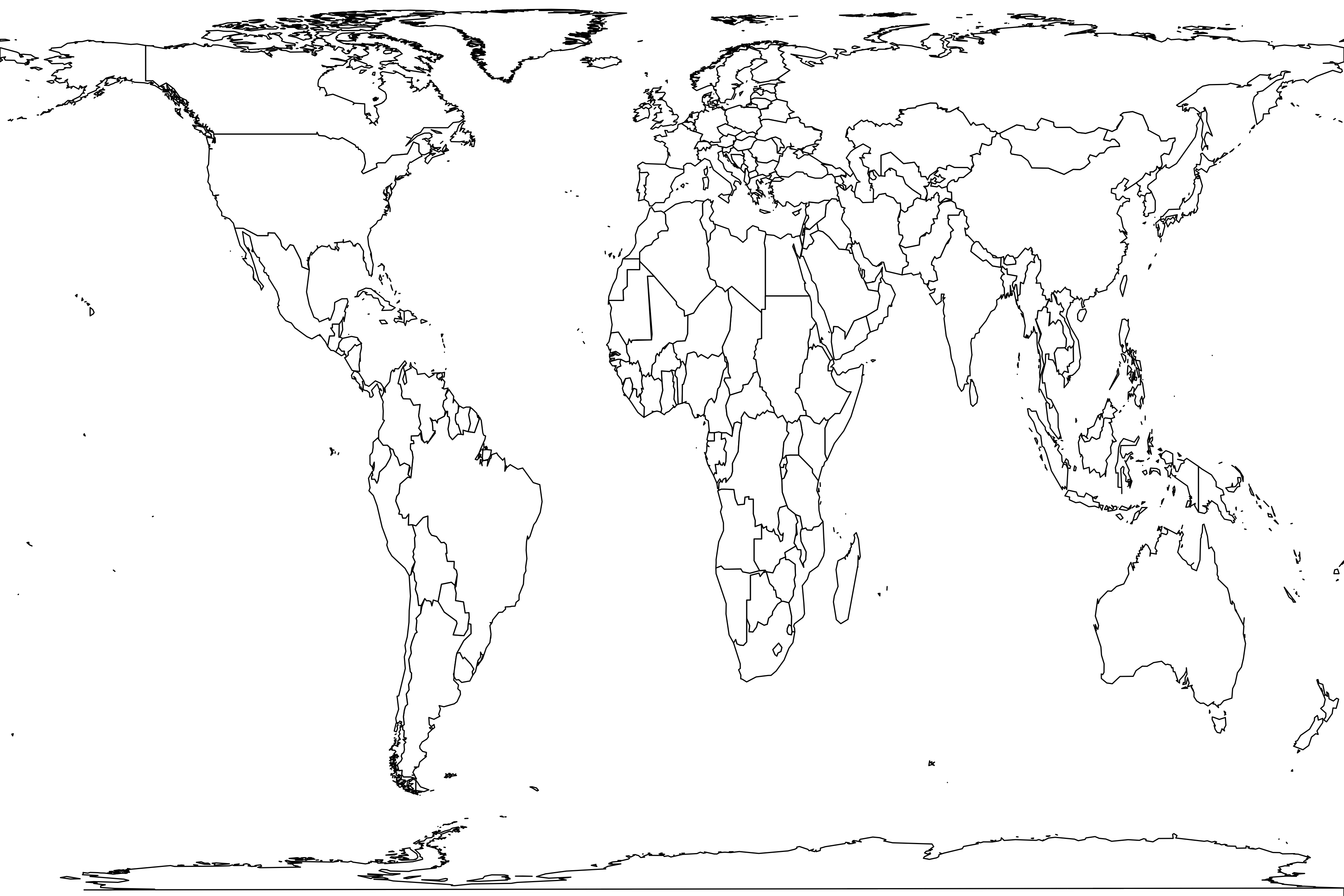
Coordinate: 41° 37' 0" N, 34° 38' 10" E
Latlng basis: estimated from map
Formation: Tuglu
Time interval: Late Miocene
Zone: MN11
Max Ma: 8.11
Min Ma: 7.64
Age basis: paleomag
Geography comments: exact coordinate is given by Geraads (2013)
"we tentatively suggest a correlation with MN11"; confirmed as MN11 and dated at 8.11 to 7.64 Ma based on magnetostratigraphy by Kaya et al. (2016), although Geraads (2013) favours an MN12 assignment
"we tentatively suggest a correlation with MN11"; confirmed as MN11 and dated at 8.11 to 7.64 Ma based on magnetostratigraphy by Kaya et al. (2016), although Geraads (2013) favours an MN12 assignment
Environment
Substrate: ground surface
Lithology: marl
Taphonomic context: lake deposit
Habitat comments: "fossiliferous nodular marl" and according to Geraads (2013) "pale-green mottled marl that forms the lower part of a thick succession of continental red beds interfingering with shallow lake deposits"
"from deposits of a large complex of mud flats, probably representing the distal portion of a large alluvial fan-floodplain interfingering with shallow, ephemeral lakes" (Gulec et al. 2007)
"from deposits of a large complex of mud flats, probably representing the distal portion of a large alluvial fan-floodplain interfingering with shallow, ephemeral lakes" (Gulec et al. 2007)
Methods
Life forms: primates, rodents, ungulates
Sampling methods: quarry, screenwash
Sample size: 208 specimens
Years: 1992, 2001, 2002
Museum: Cankiri Museum
Net or trap nights: 0
kg screened: 10000
Basal area status: not applicable
Sampling comments: "obtained by washing the sediments (± 10 tons) from which the large mammals were collected during the field seasons of 2001-2002... Lagomorpha are absent and the Insectivora are represented by one soricid ml only"
large mammals were collected by "excavations" starting in 1992 and ending in 2001 (Geraads 2013)
Geraads (2013) does not mention carnivores, but Gulec et al. (2007) list Mustelidae indet.
large mammals were collected by "excavations" starting in 1992 and ending in 2001 (Geraads 2013)
Geraads (2013) does not mention carnivores, but Gulec et al. (2007) list Mustelidae indet.
Metadata
Sample no: 2529
Contributor no: John Alroy
Enterer: John Alroy
Modifier no: John Alroy
Created: 2017-02-14 14:38:49
Modified: 2025-08-27 11:22:01
Abundance distribution
Each square represents a species. Square sizes are proportional to counts. Values are logged.
Statistics
32 species
11 singletons
total count 208
geometric series index: 64.3
Fisher's α: 10.562
geometric series k: 0.874
Hurlbert's PIE: 0.8689
Shannon's H: 2.6625
Good's u: 0.9473
Register
| Hansdebruijnia erksinae | 65 | |
| new | ||
| Hansdebruijnia cf. neutrum | 2 | |
| †Byzantinia pikermiensis | 8 | |
| †Byzantinia aff. hellenicus | 6 | |
| Rhinocerodon sp. | 2 | |
| cf this genus; 2 is a minimum | ||
| †Allocricetus aylasevimae | 8 | |
| new | ||
| Muridae indet. | 1 | |
| †Pseudomeriones latidens | 15 | |
| Pliospalax sp. | 1 | |
| cf | ||
| †Protalactaga aff. major | 4 | |
| Myomimus sp. | 2 | |
| Keramidomys sp. | 1 | |
| †Ouranopithecus turkae | 3 | |
| type described by Gulec et al. (2007) | ||
| †Choerolophodon pentelici | 3 | |
| Acerorhinus sp. | 7 | |
| questionably referred by comparison to A. zernowi: "several" skulls plus "mandibles" and "post-crania" (minimum 7) | ||
| Ceratotherium neumayri = †Miodiceros neumayri (rhinoceros) | 3 | |
| "some" specimens including 2 that are described, so at least 3 | ||
| †Hipparion cf. prostylum (horse) | 17 | |
| skull, 13 postcrania, and "some lower tooth-rows", of which 2 are described, so at least 17 | ||
| Hipparionini indet. | 2 | |
| "Hipparion" in quotes | ||
| Microstonyx major = †Hippopotamodon major (pig) | 6 | |
| 2 skulls and "several other specimens" including 4 measured m3s shown in Fig. 3, so possibly 6 | ||
| Pliocervus sp. | 1 | |
| †Bohlinia cf. attica | 4 | |
| a metacarpal and probably "Some other limb bones", so at least 4 | ||
| †Palaeotragus cf. rouenii | 1 | |
| †Palaeotragus cf. quadricornis | 1 | |
| Miotragocerus (Pikermicerus) sp. | 1 | |
| Tragoportax sp. | 1 | |
| questionably | ||
| Prostrepsiceros sp. | 1 | |
| compared to | ||
| Criotherium sp. | 1 | |
| questionably | ||
| †Majoreas cf. woodwardi | 17 | |
| "Numerous": more specimens than Oiceros rothi, so at least 17 | ||
| Gazella sp. | 1 | |
| questionably | ||
| †Oioceros rothi | 16 | |
| "common": measurements of 16 horn-cores are shown in Fig. 5 | ||
| Protoryx sp. | 4 | |
| a horn core and "a few dental remains", so at least 4 | ||
| †Plesiaddax inundatus | 3 | |