

Mujina Pecina (Level D2)
Basic information
Sample name: Mujina Pecina (Level D2)
Reference: I. Karavanic, P. T. Miracle, M. Culiberg, D. Kurtanjek, J. Zupanic, V. Golubic, M. Paunovic, J. M. Lenardic, V. Malez, R. Sosic, I. Jankovic, and F. H. Smith. 2008. The Middle Paleolithic from Mujina Pecina, Dalmatia, Croatia. Journal of Field Archaeology 33(3):259-277 [ER 3101]
Geography
Country: Croatia
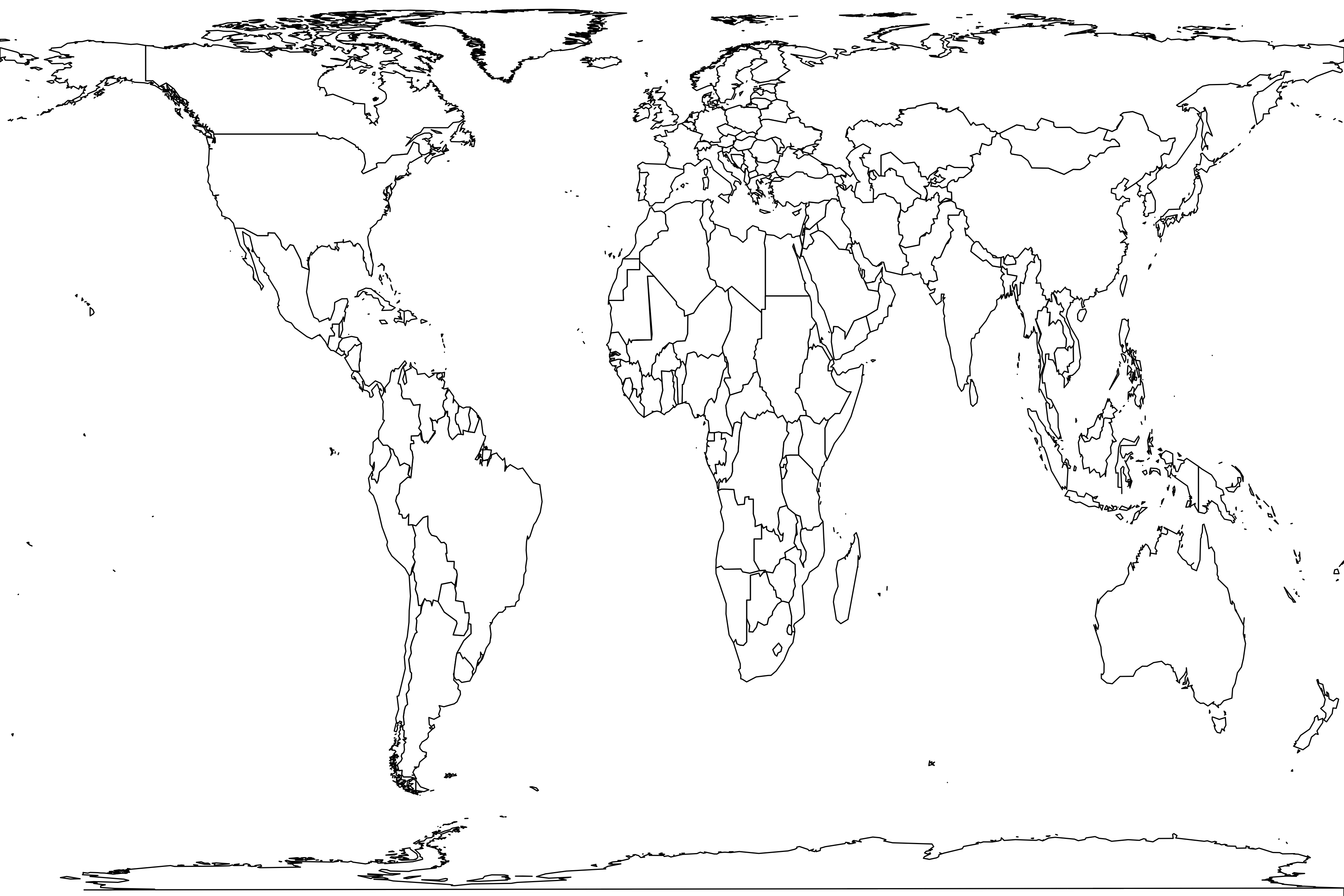
Coordinate: 44° 31' N, 16° 15' E
Latlng basis: based on nearby landmark
Time interval: Late Pleistocene
Section: 3101
Unit number: 4
Unit order: above to below
Ma: 0.04182
Age basis: radiocarbon (uncalibrated)
Geography comments: "a cave... located north of Trogir and west of Split" (coordinate based on Trogir)
Middle Paleolithic: uncalibrated AMS dates include 39.200 +1230/-1060 on bone (Level B), 40, 460 +1470/-1220 on bone (Level C), 40, 430 +1440/-1220 on bone (Level D1), 41, 820 +1740/-1430 on bone (Level D2), and 34, 200 +/- 500 on charcoal (Level D2); the latter is stratigraphically inconsistent with all other dates and put aside here
Middle Paleolithic: uncalibrated AMS dates include 39.200 +1230/-1060 on bone (Level B), 40, 460 +1470/-1220 on bone (Level C), 40, 430 +1440/-1220 on bone (Level D1), 41, 820 +1740/-1430 on bone (Level D2), and 34, 200 +/- 500 on charcoal (Level D2); the latter is stratigraphically inconsistent with all other dates and put aside here
Environment
Lithology: sandstone
Taphonomic context: cave, human accumulation
Archaeology: stone tools
Habitat comments: "Levels B and C contain brown sandy sediment with stone debris... Level D1 contains cryoclastic stone debris with some gravel and yellowish red sand sediment (stratigraphic unit D1B), while Level D2 contains cryoclastic stone debris with gravel and yellowish red sandy sediment"
there are numerous stone tools and some bones are burned or have impact scars or cut marks, so the ungulate assemblage is interpreted as having been "brought to the site" by hunters, although "Carnivores were also active at the site"
there are numerous stone tools and some bones are burned or have impact scars or cut marks, so the ungulate assemblage is interpreted as having been "brought to the site" by hunters, although "Carnivores were also active at the site"
Methods
Life forms: carnivores, ungulates, other small mammals
Sampling methods: quarry
Sample size: 79 specimens
Net or trap nights: 0
Basal area status: not applicable
Sampling comments: "Systematic excavations began in 1995" and continued at least through 2000
Metadata
Sample no: 3387
Contributor no: John Alroy
Enterer: John Alroy
Created: 2019-08-28 20:27:24
Modified: 2023-04-29 01:02:11
Abundance distribution
Each square represents a species. Square sizes are proportional to counts. Values are logged.
Statistics
9 species
4 singletons
total count 79
geometric series index: 18.5
Fisher's α: 2.616
geometric series k: 0.6459
Hurlbert's PIE: 0.7321
Shannon's H: 1.5792
Good's u: 0.9494
Register
| Lepus sp. | 17 | |
| Rupicapra rupicapra (chamois) | 14 | 27.0 kg |
| Capra ibex (Alpine ibex) | 8 | 37.0 kg |
| Cervus elaphus (red deer) | 33 | |
| †Bos primigenius (aurochs) | 1 | |
| Equus hemionus hydruntinus (onager) | 1 | |
| "Equus hydruntinus" | ||
| Canis lupus (gray wolf) | 1 | 43.0 kg |
| Ursus sp. | 1 | |
| Meles meles (European badger) | 3 | 11.0 kg |