

Sehonghong (BARF)
Basic information
Sample name: Sehonghong (BARF)
Reference: I. Plug and P. Mitchell. 2008. Sehonghong: hunter-gatherer utilization of animal resources in the highlands of Lesotho. Annals of the Transvaal Museum 45:31-53 [ER 3742]
Geography
Country: Lesotho
State: Thaba-Tseka
Coordinate: 30° 46' S, 29° 47' E
Latlng basis: stated in text
Time interval: Late Pleistocene
Section: 3742
Unit number: 5
Unit order: above to below
Ma: 0.01109
Age basis: radiocarbon (uncalibrated)
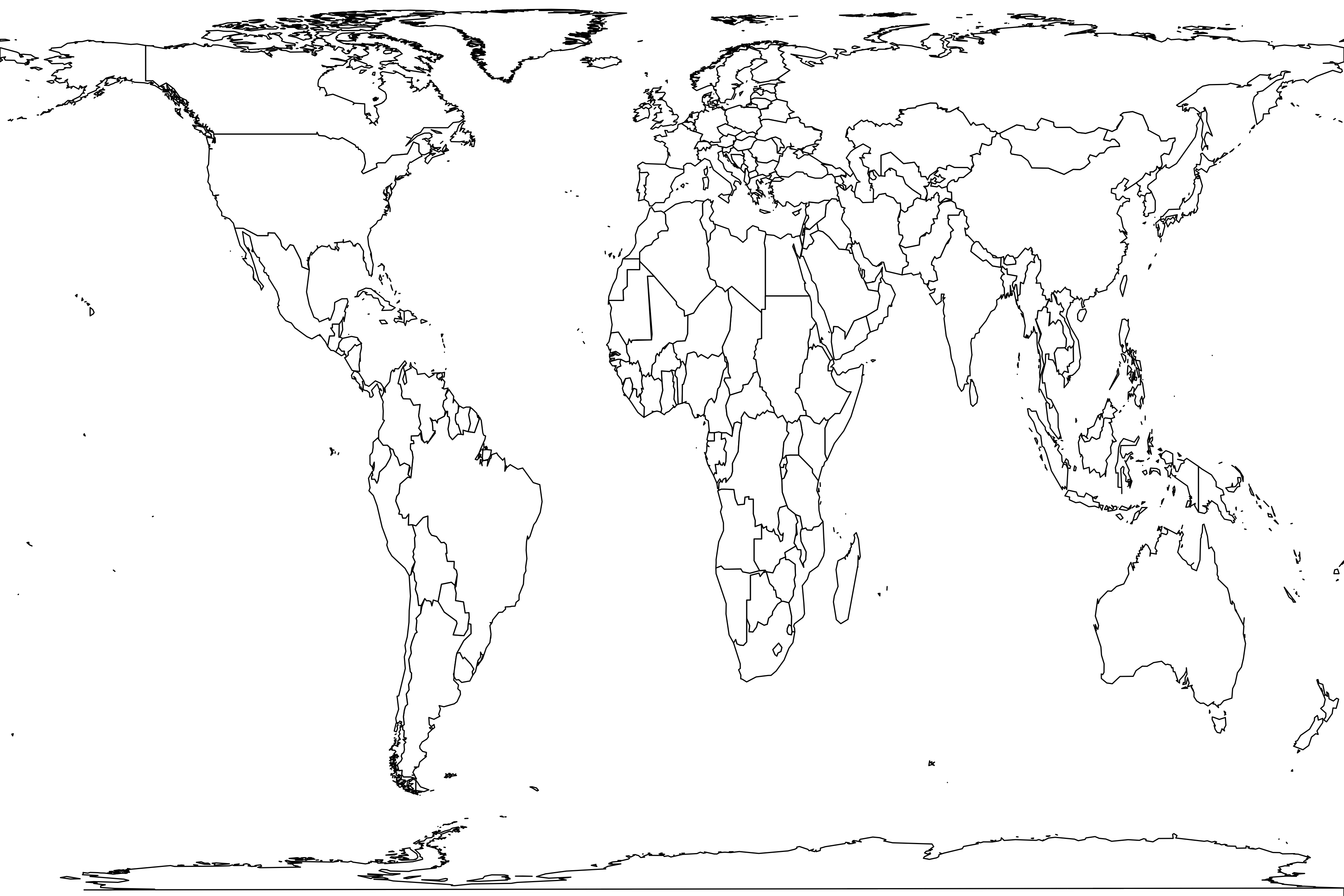
Geography comments: "Sehonghong is a large rock-shelter on the banks of the Sehonghong River, close to its confluence with the Senqu (Orange/Gariep) in the Thaba Tseka District of the highlands of Lesotho. The site lies at an elevation of 1800 m above sea level".
Layer BARF dates to 11, 090 ± 230 BP (13, 450-12, 425 cal. BP) based on a single radiocarbon date, placing its occupation within the Terminal Pleistocene.
Layer BARF dates to 11, 090 ± 230 BP (13, 450-12, 425 cal. BP) based on a single radiocarbon date, placing its occupation within the Terminal Pleistocene.
Environment
Lithology: ash
Taphonomic context: human accumulation, rock shelter
Archaeology: hearths, stone tools
Habitat comments: "Layer BARF (Beige Ash above Rockfall) consists of a thin beige-coloured ash containing partly decayed fine grasses that is found only in the western (front) end of the excavation trench. Its lithic assemblage has been assigned to the Robberg Industry". Hearths are present throughout all of the Pleistocene layers.
"While not all of the animal remains in the deposit would have been accumulated by people, the intense degree of fragmentation and burning that characterizes the Sehonghong assemblages strongly suggests that people were responsible for acquiring almost all of the faunal remains".
"While not all of the animal remains in the deposit would have been accumulated by people, the intense degree of fragmentation and burning that characterizes the Sehonghong assemblages strongly suggests that people were responsible for acquiring almost all of the faunal remains".
Methods
Life forms: rodents, ungulates, other large mammals, other small mammals, birds, frogs, fishes
Sampling methods: quarry, screenwash
Sample size: 54 specimens
Sampled by: P. Mitchell
Years: 1992
Net or trap nights: 0
Basal area status: not applicable
Sampling comments: "The primary excavation of the site was conducted by P. Mitchell in 1992. All sediment removed from the deposits was dry-sieved through a 1.5 mm mesh".
Metadata
Sample no: 3983
Contributor no: Benjamin Carter
Enterer: Benjamin Carter
Created: 2022-08-25 15:10:11
Modified: 2023-05-30 01:41:13
Abundance distribution
Each square represents a species. Square sizes are proportional to counts. Values are logged.
Statistics
13 species
7 singletons
total count 54
geometric series index: 37.0
Fisher's α: 5.435
geometric series k: 0.7791
Hurlbert's PIE: 0.7855
Shannon's H: 1.9352
Good's u: 0.8711
Register
| Equus quagga (plains zebra) | 2 | |
| Procavia capensis (rock hyrax) | 20 | 2.8 kg |
| Connochaetes gnou (black wildebeest) | 3 | |
| Oreotragus oreotragus (klipspringer) | 3 | |
| Pelea capreolus (grey rhebok) | 1 | 16.0 kg |
| Hippotragus equinus (roan) | 1 | 246.0 kg |
| Taurotragus oryx (common eland) | 8 | |
| "Tragelaphus oryx"; also 26 Bovidae indet. | ||
| Hystrix africaeaustralis | 1 | 15.0 kg |
| Otomys sp. | 1 | |
| also 4 Rodentia indet. | ||
| Lepus saxatilis | 1 | 2.0 kg |
| also 1 Lagomorpha indet. | ||
| Aves indet. | 1 | |
| Anura indet. | 1 | |
| "Frog" | ||
| Labeobarbus aeneus | 11 | |
| also 56 Labeoninae indet. and 11 Fish indet. | ||