

Salzgitter Lebenstedt
Basic information
Sample name: Salzgitter Lebenstedt
Reference: S. Gaudzinski and W. Roebroeks. 2000. Adults only. Reindeer hunting at the Middle Palaeolithic site Salzgitter Lebenstedt, Northern Germany. Journal of Human Evolution 38:497-521 [ER 3819]
Geography
Country: Germany
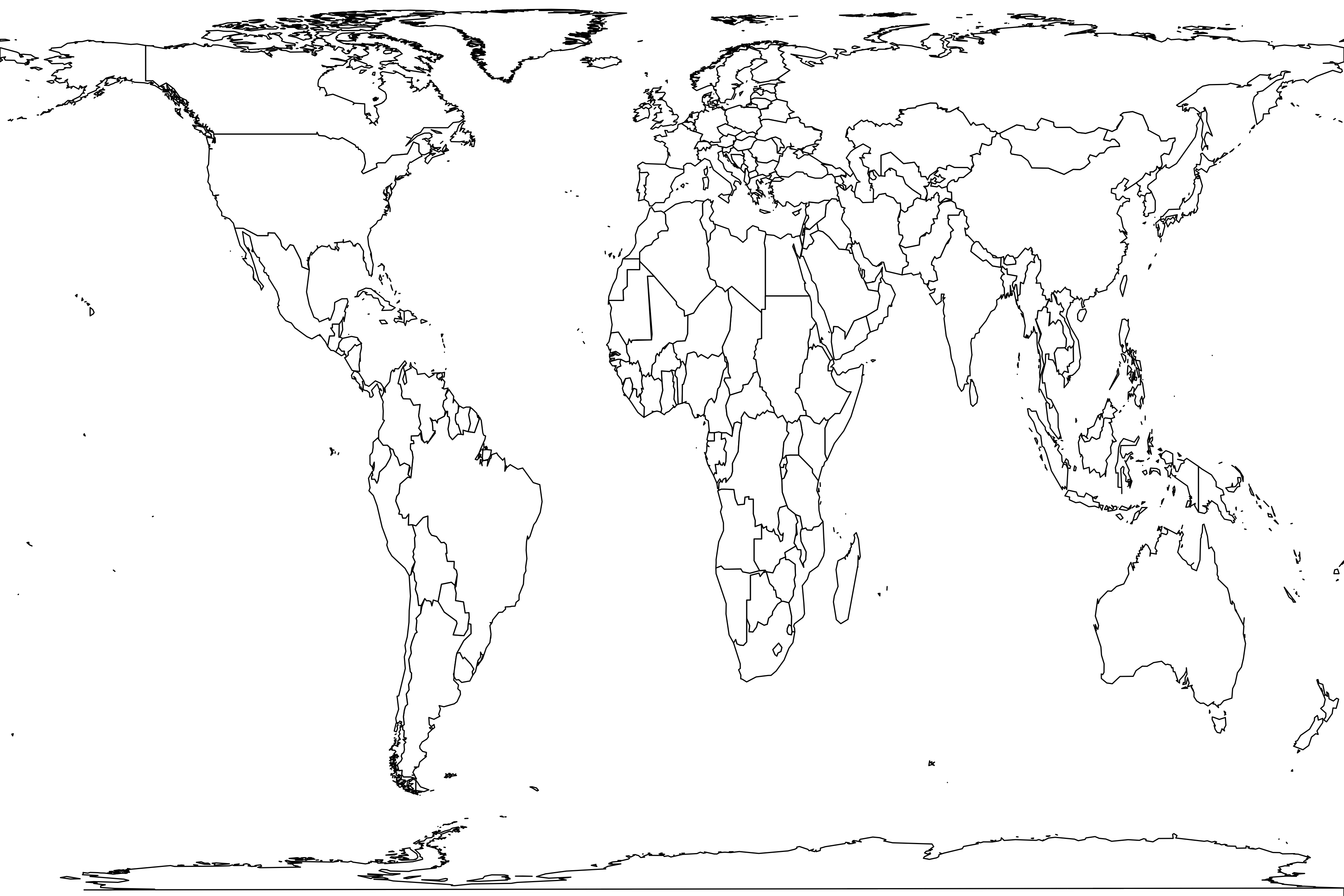
Coordinate: 52.17° N, 10.33° E
Latlng basis: estimated from map
Time interval: Late Pleistocene
Ma: 0.05
Age basis: radiocarbon
Geography comments: "on the northern slope of a small river, the Krähenriedebach" (coordinate estimated based on Krähenriede, which is a stream within the Salzgitter area of Lebenstedt)
from "earlier part of the last (Weichsel) glacial (OIS5-3)" with "C14-dates obtained on humic extracts from the peaty find level" of "around 50, 000 bp" based on an unpublished PhD thesis
from "earlier part of the last (Weichsel) glacial (OIS5-3)" with "C14-dates obtained on humic extracts from the peaty find level" of "around 50, 000 bp" based on an unpublished PhD thesis
Environment
Lithology: mudstone
Taphonomic context: fluvial deposit, human accumulation
Archaeology: bone tools, stone tools
Habitat comments: "finds were recovered at a depth of 4.5-5.5 m - most at a depth between 4.8 and 5.1 m... from waterlogged fluvial sediments"
fossils were from the "lower two" sub-units which are "sandy": apparently a sandstone above, and a "peaty mud" below
there are "840 flint artefacts" and "30 bone tools, mainly produced from mammoth bones"
there is clear evidence of human hunting of the reindeer such as "cut and impact marks"
fossils were from the "lower two" sub-units which are "sandy": apparently a sandstone above, and a "peaty mud" below
there are "840 flint artefacts" and "30 bone tools, mainly produced from mammoth bones"
there is clear evidence of human hunting of the reindeer such as "cut and impact marks"
Methods
Life forms: carnivores, primates, ungulates
Excluded forms: rodents
Sampling methods: quarry
Sample size: 2860 specimens
Sampled by: A. Tode
Years: 1952
Net or trap nights: 0
Basal area status: not applicable
Sampling comments: site area was "approximately 150 m2"
counts are only of large mammals
human fossils are referred to as "Neanderthal" but listed as Homo sp.
pollen, "macro-botanical remains", fungi, and micromammals presumably including rodents are also present
counts are only of large mammals
human fossils are referred to as "Neanderthal" but listed as Homo sp.
pollen, "macro-botanical remains", fungi, and micromammals presumably including rodents are also present
Metadata
Sample no: 4164
Contributor no: John Alroy
Enterer: John Alroy
Created: 2023-03-14 20:48:36
Modified: 2023-05-09 02:00:11
Abundance distribution
Each square represents a species. Square sizes are proportional to counts. Values are logged.
Statistics
7 species
1 singleton
total count 2860
geometric series index: 8.7
Fisher's α: 0.864
geometric series k: 0.3646
Hurlbert's PIE: 0.4175
Shannon's H: 0.8285
Good's u: 0.9997
Register
| Homo sp. | 5 | |
| Canis lupus (gray wolf) | 1 | 43.0 kg |
| †Mammuthus primigenius (woolly mammoth) | 410 | |
| Equus sp. | 227 | |
| †Coelodonta antiquitatis (woolly rhinoceros) | 8 | |
| Rangifer tarandus (reindeer) | 2130 | 69.0 kg |
| †Bison priscus (bison) | 79 | |