

Uadi Aalad
Basic information
Sample name: Uadi Aalad
Sample aka: Buia; UA; Wadi Aalad
Reference: B. Martínez-Navarro, L. Rook, A. Segid, D. Yosief, M. P. Ferretti, J. Shoshani, T. M. Tecle, and Y. Libsekal. 2004. The large fossil mammals from Buia (Eritrea): systematics, biochronology and paleoenvironments. Rivista Italiana di Paleontologia e Stratigrafia 110:61-88 [ER 3870]
Geography
Country: Eritrea
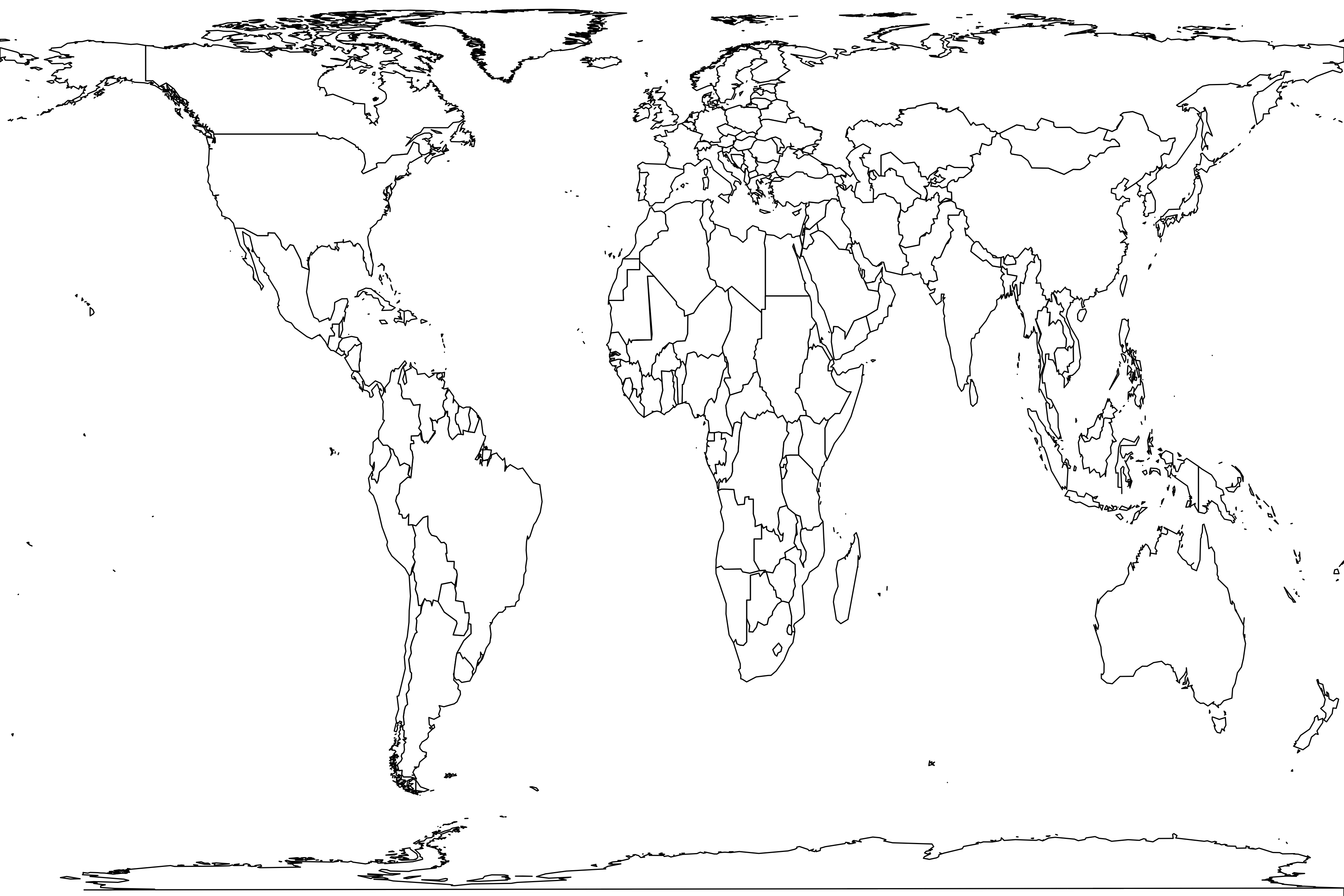
Coordinate: 14.78° N, 39.93° E
Latlng basis: estimated from map
Formation: Alat
Time interval: Early Pleistocene
Max Ma: 1.07
Min Ma: 0.98
Age basis: paleomag
Geography comments: "north of Wadi Dandiero" (coordinate estimated based on Fig. 3 in Abbate et al. 2004)
Abbate et al. (2004) indicate that most of the Buia material is from the Alat Formation, which is bounded by 1.07 and 0.98 Ma by Albianelli and Napoleone (2004) based on magnetostratigraphy and cyclostratigraphy
Abbate et al. (2004) indicate that most of the Buia material is from the Alat Formation, which is bounded by 1.07 and 0.98 Ma by Albianelli and Napoleone (2004) based on magnetostratigraphy and cyclostratigraphy
Environment
Lithology: siliciclastic (mixed)
Taphonomic context: lake deposit
Archaeology: stone tools
Habitat comments: the Alat Formation is deltaic and lacustrine and includes "silts, clays, thin calcareous beds, and ash layers" plus "sandy bodies" higher in the section (Abbate et al. 2004)
cut marks on some specimens and hyaenid bite marks on one specimen are described by Fiore et al. (2004), who do not specify an accumulation agent
lithics from the Homo site within the Uadi Aalad area are described by Martini et al. (2004)
cut marks on some specimens and hyaenid bite marks on one specimen are described by Fiore et al. (2004), who do not specify an accumulation agent
lithics from the Homo site within the Uadi Aalad area are described by Martini et al. (2004)
Methods
Life forms: carnivores, primates, ungulates
Sample size: 121 specimens
Years: 1995 - 1997, 2000
Net or trap nights: 0
Basal area status: not applicable
Sampling comments: it is not clear whether the fossils are mostly excavated or surface finds
Metadata
Sample no: 4245
Contributor no: John Alroy
Enterer: John Alroy
Created: 2023-04-22 16:56:38
Modified: 2023-04-22 07:05:20
Abundance distribution
Each square represents a species. Square sizes are proportional to counts. Values are logged.
Statistics
18 species
4 singletons
total count 121
geometric series index: 30.1
Fisher's α: 5.851
geometric series k: 0.8256
Hurlbert's PIE: 0.8793
Shannon's H: 2.4141
Good's u: 0.9674
Register
| Homo sp. | 5 | |
| "erectus-like" | ||
| †Theropithecus cf. oswaldi (monkey) | 1 | |
| Crocuta cf. crocuta (spotted hyena) | 3 | 66.0 kg |
| coprolites | ||
| †Palaeoloxodon recki (elephant) | 4 | |
| "Elephas recki": see Ferretti et al. 2003 | ||
| Ceratotherium simum (white rhinoceros) | 6 | 1479.0 kg |
| Equus cf. grevyi (Grévy's zebra) | 10 | 386.0 kg |
| †Hippopotamus gorgops (hippopotamus) | 26 | |
| less one specimen of karumensis reassigned by Pandolfi et al. (2023) | ||
| †Hippopotamus aff. karumensis (hippopotamus) | 1 | |
| see Pandolfi et al. (2023) | ||
| †Kolpochoerus olduvaiensis | 7 | |
| †Kolpochoerus majus | 7 | |
| †Metridiochoerus aff. modestus (pig) | 2 | |
| †Giraffa cf. jumae (giraffe) | 1 | |
| Tragelaphus cf. spekii (sitatunga) | 2 | |
| "Tragelaphus cf. spekei" | ||
| †Pelorovis oldowayensis | 20 | |
| †Hippotragus gigas (bovid) | 4 | |
| Kobus cf. ellipsiprymnus (waterbuck) | 19 | 210.0 kg |
| Antilopini indet. | 2 | |
| "Gazella sp.": Nanger is not discussed | ||
| Caprini indet. | 1 | |